A Close Look at Tryptophan: Past, Present, and Future Potential
Understanding the Roots of Tryptophan Research
People have always tried to understand the building blocks of life, and tryptophan earned its place in that story early. Research into amino acids kicked off in the late 19th and early 20th centuries, with tryptophan’s isolation tracing back to the German chemist Frederick Hopkins in 1901. Hopkins dug through casein, the main protein in milk, and found that strange, aromatic compound. Tryptophan didn’t just sit in the background of nutritional science; its role in human physiology set the stage for new ideas about protein metabolism, nutrition, and even mental health. Over the decades, scientists gradually pieced together tryptophan’s connection to serotonin, a chemical most of us now recognize from conversations about mood and sleep. For decades, nutritionists and biochemists have pointed to tryptophan as one of the essential amino acids — something our bodies can’t build on their own, an indispensable piece in our daily diet.
The Substance: Look and Character
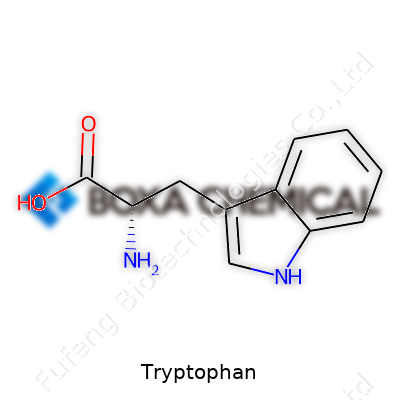
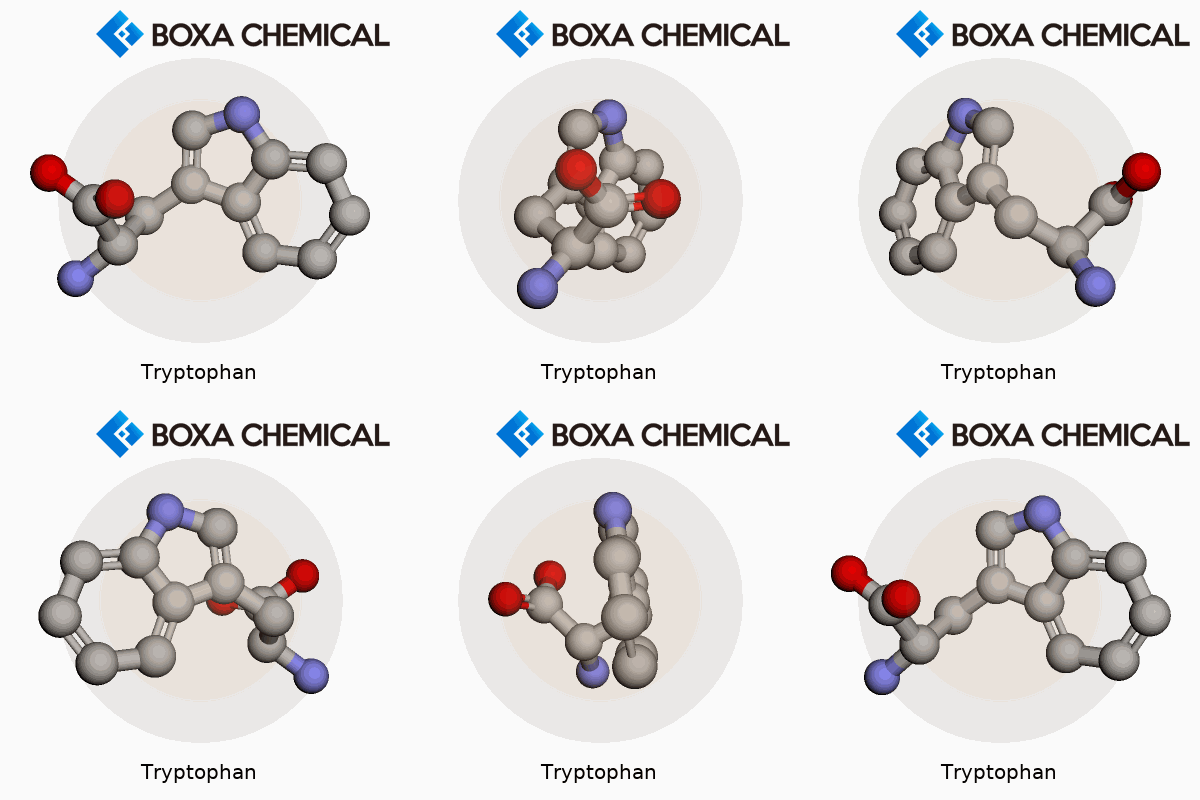
If you pour a sample of pure tryptophan into your hand, the first thing you’ll notice is a colorless, almost pearly powder. It doesn’t jump out with a smell, and it doesn’t dissolve in water as easily as many other amino acids. Its full name, L-tryptophan, reflects its molecular structure — one chiral center, an indole functional group, and a standard backbone found in all amino acids. At room temperature, the compound remains stable, with a melting point above 290°C. From a chemical angle, tryptophan’s indole ring brings both reactivity and distinct properties to the table, which separates it from non-aromatic amino acids like glycine or alanine. Analytical chemists measure tryptophan’s quality through its optical rotation, purity score, moisture content, and limits on heavy metals — standards that stem from both food safety and pharmaceutical purity requirements.
From Bean to Beaker: Making Tryptophan
Early production looked a lot like an exercise in patience — protein hydrolysis, fractionation, and careful extraction from natural sources such as casein or corn. But as research surged, industrial production leaned into fermentation, with genetically modified strains of E. coli or Corynebacterium glutamicum turning out loads of L-tryptophan from cheap sugar feeds. These living factories changed the economics of the industry, making it both affordable and scalable. After fermentation, rigorous purification steps weed out unwanted byproducts. Chromatography, filtration, crystallization: each step plays a critical role in pulling the useful tryptophan from a soup of sugars, cell debris, and other amino acids. Published research has highlighted incremental improvements — tweaks to feed composition, use of robust GMO production strains, adoption of advanced biosensors — turning out a cleaner, purer product batch after batch.
What’s In a Name? Synonyms and Aliases
In technical circles, tryptophan responds to a handful of names. L-Tryptophan appears on supplement bottles and lab stocks. Chemists might jot down “2-Amino-3-(1H-indol-3-yl)propanoic acid”. Medical coders could see entries like “Trp” or “W” in protein sequences, shorthand that crops up in almost every branch of molecular biology. Some reference works simply call it “Tryptophane”, a nod to older scientific language. Regardless of spelling or context, references tie back to the same molecule, a link between nutrition, cognitive health, and industrial processing.
Frontlines: Tryptophan in the World
Tryptophan’s reach extends far beyond the lab. Farmers depend on it as part of livestock feed, where it plugs gaps in corn- and soy-heavy diets for pigs and poultry. The animal nutrition industry tells a straightforward story: providing balanced levels of tryptophan supports better growth and reduces aggressive behaviors in tightly packed barns. In the realm of human supplements, tryptophan forms a pillar in many sleep aids; countless Americans pick up bottles of L-tryptophan or 5-HTP during times of stress or sleeplessness. Psychiatrists and neurologists have explored its use in cases of mild depression, with mixed results, but ongoing research regularly turns up new possibilities. In the pharmaceutical world, tryptophan acts as a chemical precursor not just for serotonin, but also for niacin (vitamin B3), giving it a role in both brain chemistry and energy metabolism.
Sifting Through the Paperwork: Standards and Labeling
No conversation about amino acids escapes the need for oversight and clear standards. L-tryptophan faces strict quality rules, especially after a wave of supplement contamination cases in the 1990s. Regulatory agencies in the US, Europe, and Asia set purity limits and require makers to screen for heavy metals, endotoxins, and microbial contaminants. Food-grade tryptophan carries its own labeling requirements. Packages target end users—feed formulators, supplement makers—who need assurance for both safety and efficacy. Pharmacopoeias lay out technical specs: molecular weight, melting point, solubility, optical rotation, and proven absence of certain impurities. Safety data sheets highlight storage instructions to minimize degradation and outline procedures for safe handling — an important note for anyone pouring powders in a feed mill or compounding lab.
Tinkering With the Molecule: Chemical Reactions and Modifications
Lab chemists have always enjoyed tweaking amino acids. Tryptophan’s indole ring turns out to be a playground for derivatization and targeted transformations. Oxidation or reduction reactions at the indole site unlock new analogs with potential biochemical activities. Alkylation, acylation, and halogenation yield modified forms for research or specialty chemicals. Peptide chemistry leans heavily on tryptophan; protein engineers use site-directed mutagenesis to explore how swapping in or out tryptophan changes protein folding and function. Mass spectrometry applications benefit, too, by identifying specific cleavage patterns or fragmentation signatures unique to the tryptophan core. Synthetic biologists view it both as a stepping stone and as a boundary, probing alternative biosynthetic routes using enzymes from all corners of nature.
Weighing Risks: Safety, Operations, and Toxicity
L-tryptophan isn’t free from controversy or risk. In the late 1980s, a cluster of eosinophilia-myalgia syndrome (EMS) cases traced back to contaminated batches of dietary L-tryptophan, triggering a worldwide recall and a wave of scientific investigations. Follow-up studies found that impurities produced during fermentation — notably, from bacterial strains or improper purification — posed the biggest risk. Most large-scale manufacturers have since overhauled quality controls, bringing the ingredient back to market with much more rigorous checks. Consumed through food, tryptophan rarely causes problems; supplements, especially in high doses, rank safe for most people, but can interact with antidepressants or MAO inhibitors, raising serotonin syndrome risk. Animal feed processors and handling staff wear masks and gloves to minimize dust inhalation, observing typical industrial hygiene standards. Toxicology research continues, with recent focus on chronic exposure, bioaccumulation in livestock, and potential impacts from novel production methods.
Innovation and Discovery: Ongoing Research
The scientific community shows no sign of letting up. Researchers examine tryptophan’s role in the gut-brain axis, uncovering how gut bacteria transform the amino acid into key neuroactive compounds. Novel pathways, such as kynurenine and indole metabolites, continue to redefine how nutrition shapes cognition, immune response, and even tumor progression. Bioinformaticians use databases of protein sequences to dig into evolutionary conservation, finding that tryptophan residues mark important functional and structural sites in enzymes and receptors. Pharmaceutical companies look into tryptophan analogs as scaffolds for new drugs, especially in cancer immunotherapy, where blocking tryptophan metabolism can turn up the immune system’s heat against tumor cells. Agricultural research aims for higher yields and sustainability, selecting for crops and microbial producers tuned for efficiency and resilience under changing climate patterns. From baseline nutrition to synthetic biology, tryptophan keeps pulling in new lines of inquiry.
Looking Forward: Tryptophan’s Place in Tomorrow’s Solutions
In the coming years, the world’s growing appetite for protein will keep shining a spotlight on amino acids like tryptophan. Companies keep scaling up microbial fermentation to produce more of it at lower cost and environmental impact, looking to replace fish meal in aquaculture and reduce nitrogen runoff from overfed livestock. Personalized nutrition may lean on tryptophan status as part of tailored health programs. Mental health researchers track serotonin, melatonin, and downstream metabolites, opening doors to new therapies or diagnostic tools. Biotechnologists push genes from rare bacteria and plants into mainstream production hosts, increasing yields or introducing new functional properties. Expect a rising tide of startups and research groups probing both tiny tweaks and transformative shifts in how we grow, process, and use the smallest but most vital pieces of the human diet.
Understanding Tryptophan’s Real Value
Most folks know tryptophan as the thing in turkey that supposedly knocks everyone out after Thanksgiving dinner. The jokes practically write themselves—blame the nap on the bird, right? The real story runs a lot deeper than that. Tryptophan is an amino acid, and it's a big deal because our bodies can't make it from scratch. Kind of like getting water from the tap, unless the supply’s shut off. We get all our tryptophan from the food on our plates.
Unlike carbs or fats, amino acids like tryptophan aren’t just about fuel. They’re building blocks for protein, sure, but in tryptophan’s case, it plays a starring role in the chemistry that keeps our moods level and sleep on track. Tryptophan turns into serotonin inside us—a neurotransmitter that researchers have linked to good moods, mental wellbeing, and even appetite. Later on, some of that serotonin becomes melatonin, which the brain uses to nudge us toward sleep at night.
Why It Matters for Mental and Physical Health
Life has its ups and downs, and so does our brain chemistry. Depression and anxiety don’t need much of an invitation to pull up a chair if something throws that chemistry out of whack. Scientists studying nutrition and mental health have found connections between lower levels of tryptophan and higher rates of mood problems. In one published review, dietary tryptophan shortages could even affect how well people handle stress.
I’ve seen this play out in my own circles. Back in college, friends cramming for exams often snacked on processed, low-protein foods, and the resulting crankiness wasn’t just about lack of sleep. On days with better diets—more eggs, tofu, beans, chicken—people seemed more even-keeled. It didn’t take much to notice a difference. Hard data backs this up, with research showing that people who meet their daily tryptophan needs feel less irritable and report better sleep.
Not Just About Sleep—A Piece of the Health Puzzle
Eating enough tryptophan doesn’t mean you’ll never feel blue or lie awake with your mind spinning. Food is just one part of the solution. Genetics, daily routines, screen time, and stress all have their fingerprints on mood and sleep. Still, meeting basic nutrition needs removes an obstacle that you can actually control.
Some foods outshine turkey for tryptophan content—think seeds, nuts, dairy, soy products, and chicken. The catch is, tryptophan works best with some carbs on board, since the right mix lets more of it reach the brain. For anyone on restrictive diets, getting enough can mean thinking ahead and planning variety. Not everyone wants to hear it, but skipping meals or sticking to caffeine for breakfast throws off the balance in the long run.
Looking at Solutions and What Actually Helps
It’s easy to reach for supplements when life gets busy, but getting tryptophan from real food gives you the most benefit without the risks of overdosing or interactions. For folks with special conditions or medications that affect serotonin—for example, people taking certain antidepressants—checking in with a healthcare professional is smart before changing supplements.
Public awareness lags far behind the science. Schools and workplaces could help by offering protein-rich snacks instead of only sugary ones. Nutrition education still takes a back seat to other health advice. Reminding people that daily choices shape long-term wellbeing keeps tryptophan from fading into the background as just another holiday punchline.
Navigating the Tryptophan Debate
Walking through the aisles of a pharmacy or scrolling through online wellness shops, you might spot tryptophan capsules boasting claims about better mood and better sleep. Plenty of folks want a good night’s rest without the grogginess from chemical sleep aids, or they’re drawn by headlines about natural mood boosts. It’s tempting to see a supplement derived from something as standard as turkey and think, “This can’t hurt, right?” The conversation around tryptophan is more complicated.
So, What’s Tryptophan Really Doing?
Tryptophan sits among the essential amino acids, meaning you only get it from food. It helps the body produce serotonin, a chemical that influences mood, and melatonin, which helps set your sleep cycles. Research has linked healthy tryptophan levels to better sleep and even less anxiety. As someone who has struggled with sleep in the past, I understand the appeal of anything that promises more restful nights.
The Shadows of the Past
Suspicion hung around tryptophan in the late 1980s, after a contamination in manufacturing caused thousands to get sick. The resulting illness, called eosinophilia-myalgia syndrome (EMS), was traced to a single contaminated batch, not tryptophan itself. This doesn’t mean contamination risk is gone forever, but strict new standards from the FDA have cut down on the chance for a repeat crisis. Not all supplements are created equal, though. Some companies cut corners, so looking for third-party testing or certification brings a level of reassurance.
How Safe Is Tryptophan for the Average Person?
Research from the National Institutes of Health shows that, for healthy adults, low to moderate doses of tryptophan seem safe. Common side effects include drowsiness, dry mouth, blurred vision, or mild stomach upset. These effects show up most often with heavy dosages or in folks mixing multiple supplements and medications. Mixing tryptophan with other agents that affect serotonin—like antidepressants—can trigger serotonin syndrome, which may be life-threatening.
Who Should Rethink Taking Tryptophan?
Anyone already taking antidepressants or other medicines that boost brain serotonin, like SSRIs, needs to check with a doctor before adding tryptophan. There’s also less clarity about its safety for children, pregnant women, or those with kidney or liver issues. The supplement industry doesn’t run on the same rules as prescription medicines, so nobody is checking every bottle for consistency or purity.
Getting to the Root of the Problem
Lots of us look for solutions in a bottle because life gets stressful, or falling asleep feels impossible some nights. From my own bouts of insomnia, I’ve found that the groundwork—regular bedtime, less late-night screen time, a walk in the fresh air—matters far more than popping another pill. Sleep, mood, and energy get tangled, but habits strengthen that foundation better than a supplement ever could.
Safe Paths Forward
Doctors and nutritionists recommend focusing on a balanced diet with plenty of protein, grains, fruits, and veggies, since this naturally provides tryptophan and other vital nutrients. If curiosity or desperation leads you to try supplements, discussing any addition—especially tryptophan—with a healthcare provider makes sense. Choose products from reputable companies with transparent ingredient sourcing and thorough testing. Personal responsibility and open communication with healthcare experts go a long way toward minimizing risk.
Understanding Tryptophan's Role in the Body
Tryptophan, an amino acid you won’t find on most dinner plates, plays an outsized part in mental health and well-being. Anyone who ever nodded off after a Thanksgiving meal has probably heard turkey blamed for sleepiness, thanks to tryptophan. Truth is, the story is more layered. Our bodies use this nutrient as a building block for serotonin, that brain chemical responsible for mood, sleep, and a sense of calm.
Navigating Dosage: Science, Experience, and Common Sense
Doctors and nutrition experts often point to a daily range of 250 to 425 milligrams for adults. That comes from dietary sources—chicken, cheese, peanuts, eggs. This amount keeps our bodies fueled for natural serotonin production. I paid closer attention after experiencing restless nights and wanted something gentler than prescription sleep aids. Tryptophan supplements typically contain between 500 mg to 2,000 mg per capsule. It’s tempting to reach for the higher end with the hope of more peaceful rest or a brighter mood, but more isn’t always better.
Research has shown that going above 6 grams daily can lead to problems like nausea, dizziness, or even serotonin syndrome—a dangerous rise in serotonin that can trigger confusion and heart issues. In the late 1980s, contaminated batches of tryptophan supplements caused serious illness, which led the FDA to temporarily pull it from the market. Today, stricter controls have improved supplement safety, but the old lesson sticks: natural doesn’t equal risk-free.
Decoding Labels, Learning from Others
Supplements aren’t regulated as tightly as prescription drugs. Without strong oversight, it’s hard to tell what you’re getting unless you stick to reputable brands. It pays to research manufacturers, check for third-party testing, and look into batch records. Talking with a healthcare provider—ideally someone familiar with your medical history—beats relying on online testimonials. I’ve seen friends experiment with various over-the-counter products, sometimes chasing energy, sometimes aiming for better sleep. What works for one person might not fit another, especially if you take antidepressants or have health issues affecting serotonin.
Solution-Oriented Steps for Safe Use
Setting realistic goals becomes key. For sleep and mild mood support, many experts recommend starting low—around 500 mg per day—and adjusting slowly. I personally found that taking tryptophan close to bedtime, paired with magnesium, improved sleep quality and left me feeling more rested than quick-fix supplements ever did. Skipping alcohol and late-night screens makes just as much difference as any pill.
Those with liver or kidney disease, pregnant people, or anyone already on mood-stabilizing drugs should approach tryptophan with caution. Combining supplements can tip the body into trouble, especially if mixing with other substances like St. John’s wort or antidepressants. Sharing plans with a doctor can keep things on track and lessen the risk of unpleasant side effects or dangerous interactions.
Looking Ahead
There’s growing interest by scientists in how amino acids like tryptophan affect the brain and gut health. Until clear answers emerge, moderation, education, and professional guidance make all the difference. Personal experimentation can empower you, but real safety depends on understanding the facts and listening to experts. Supplements promise support, but they’re no substitute for balanced meals, enough daylight, and steady sleep routines.
Real Sleep Trouble Calls for Real Answers
Sleepless nights drag on, and sometimes stress or a low mood keeps people awake even when they're bone tired. Melatonin gets all the attention, but friends and family often mention tryptophan, the so-called “turkey chemical.” Anyone who’s battled insomnia or the blues knows it takes more than old wives’ tales to find what works.
Understanding Tryptophan’s Role
Tryptophan is an amino acid, packed into everyday foods like turkey, soybeans, cheese, oats, and nuts. The body uses it to create serotonin, which helps regulate mood, and melatonin, which signals when it’s time to sleep. Research backs up that tryptophan contributes to these pathways, but eating more turkey isn’t a cure-all.
Let’s clear up a myth — eating tryptophan-rich foods by themselves rarely changes sleep or mood overnight. The body doesn’t just stockpile tryptophan and convert it on command. Other amino acids and dietary patterns influence how much actually reaches the brain. Only small, deliberate changes in diet are unlikely to yield big results without considering the whole picture.
Is Supplementing Worth a Try?
Certain studies suggest that tryptophan supplements can reduce how long it takes to fall asleep and help with mild depression and anxiety. For example, controlled trials over the decades hint at a positive impact, though not as strongly as prescription antidepressants or common sleeping pills. Supplements look more promising in people with slight deficiencies, not in those eating a solid, balanced diet.
Safety is a real concern. Tryptophan supplements sparked worry in the late 1980s after a contaminated batch caused a serious outbreak of eosinophilia-myalgia syndrome. Regulations have tightened, but no supplement comes with zero risk, and unexpected effects may surface, especially for people taking antidepressants or other medications that work on serotonin.
Better Ways to Support Sleep and Mood
Food choices matter. There’s strong evidence supporting balanced meals rich in protein, complex carbohydrates, and plenty of vegetables for both mood and sleep. For instance, pairing carbs with protein can boost tryptophan uptake in the brain, nudging serotonin production upward. A healthy eating pattern, plus regular movement and managing stress, often do more for sleep and emotional health than any single supplement or food trick.
Those struggling with serious mood issues or chronic insomnia deserve more than supplements and wishful thinking. Medical professionals play a key role, and therapies like cognitive behavioral therapy for insomnia or mood disorders often prove much more effective. Medication prescribed and monitored by experts can offer relief when nothing else does.
Making Informed Health Decisions
Tryptophan holds a place in the broader toolkit for wellness, but expecting miracles from a single amino acid doesn’t match what research reveals. Before trying supplements, talking honestly with a trusted healthcare provider helps avoid pitfalls and tailors decisions to real needs. Those small changes can move the needle, but the best sleep and mood support comes from a mix of nutrition, movement, connection, and expert guidance.
Understanding Where Tryptophan Fits In
Tryptophan has been popping up again all over health blogs, supplement shelves, even in sleepytime teas. People swear by it to help with sleep problems, low mood, and sometimes anxiety. Tryptophan is an amino acid, used by the body to make serotonin, which often gets called the “feel good” chemical. It makes sense that many hope for an all-natural fix by turning to this supplement.
Not Just Another Simple Amino Acid
It’s tempting to think anything that comes straight from food sounds pretty safe. Turkey, chicken, cheese, and eggs all contain tryptophan. Swallowing an extra capsule sounds harmless, but getting concentrated doses over time isn’t the same as having an omelet.
Back in the late 1980s, a contaminated batch of tryptophan supplements caused thousands of cases of eosinophilia-myalgia syndrome, a rare but pretty severe muscle and immune system condition. Since then, experts have watched the safety of these supplements a lot more closely. Nowadays, purified versions are well-regulated, but no safety guarantee arrives in a bottle.
Keeping an Eye on Side Effects
Digestive complaints top the list—some folks report nausea, loss of appetite, or even diarrhea after taking tryptophan. Others can get that oddly spaced-out feeling, sometimes paired with drowsiness. In my years following natural health trends, I’ve met people who barely noticed taking it, and others who felt worse off than when they started.
At higher doses, tryptophan can tip the balance in dangerous ways. Serotonin syndrome is rare but serious, showing up with confusion, rapid heart rate, sweating, and twitchy muscles. Mixing tryptophan with other drugs that boost serotonin (SSRIs, MAOIs, and some headache medications) raises the risk. Doctors treating depression often warn against stacking supplements and prescriptions without guidance.
Interactions Deserve Attention
Combining tryptophan with other substances throws more unknowns into the mix. People taking antidepressants, certain painkillers, cough medicines, or even natural products like St. John’s Wort may set themselves up for complications. There isn’t much data on how it interacts with caffeine, alcohol, or common sleep aids, but no supplement should get a free pass for being “natural.”
For older adults or anyone with liver or kidney problems, the risks climb a notch higher. The body breaks down excess tryptophan in the liver and kidneys, so anything slowing those organs can turn a safe dose into something harder to manage.
What Makes Sense Going Forward
Health choices work better with honest research and a bit of caution. The National Institutes of Health notes that while tryptophan appears to be reasonably safe for short-term use in healthy adults, no long-term safety data is available. Labels and marketing pitch tryptophan as a shortcut to well-being, but most gains can come from regular exercise, sunlight, and a balanced meal plan. If sleep, mood, or anxiety have become real struggles, talking to a healthcare provider beats playing amateur chemist with your brain chemistry.
Supplements like tryptophan highlight the messy space between food and medicine. Taking them lightly skips over how powerful our daily biochemistry really is. If you’re considering adding tryptophan, looping in your doctor, watching for side effects, and steering clear of risky combinations sets the foundation for smarter choices.