Monosodium Glutamate: Past, Present, and Pathways Forward
From Umami to Ubiquity: Tracing the Story of MSG
Monosodium glutamate, usually shortened to MSG, brings more history to the kitchen than the average shaker of salt. Digging into its background takes us to early twentieth-century Japan, with Kikunae Ikeda, a chemist searching for the secret in his wife's savory dashi broth. His curiosity didn't just popularize a flavor, it identified umami itself — that full, rich taste that bridges savory floors across continents. MSG landed quickly in food industries around the world, not simply as an additive but as a flavor enhancer that redefined food processing. Early on, manufacturers saw MSG's potential for bringing out flavors in otherwise bland canned foods and soups, long before anyone dreamed of instant noodles. Fast food shops, restaurant kitchens, even home cooks grabbed onto MSG, sometimes almost like a secret weapon for pulling more flavor out of basic ingredients.
Understanding What Sits in the Shaker: Physical and Chemical Notes
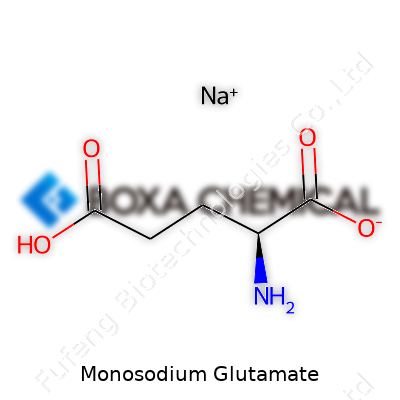
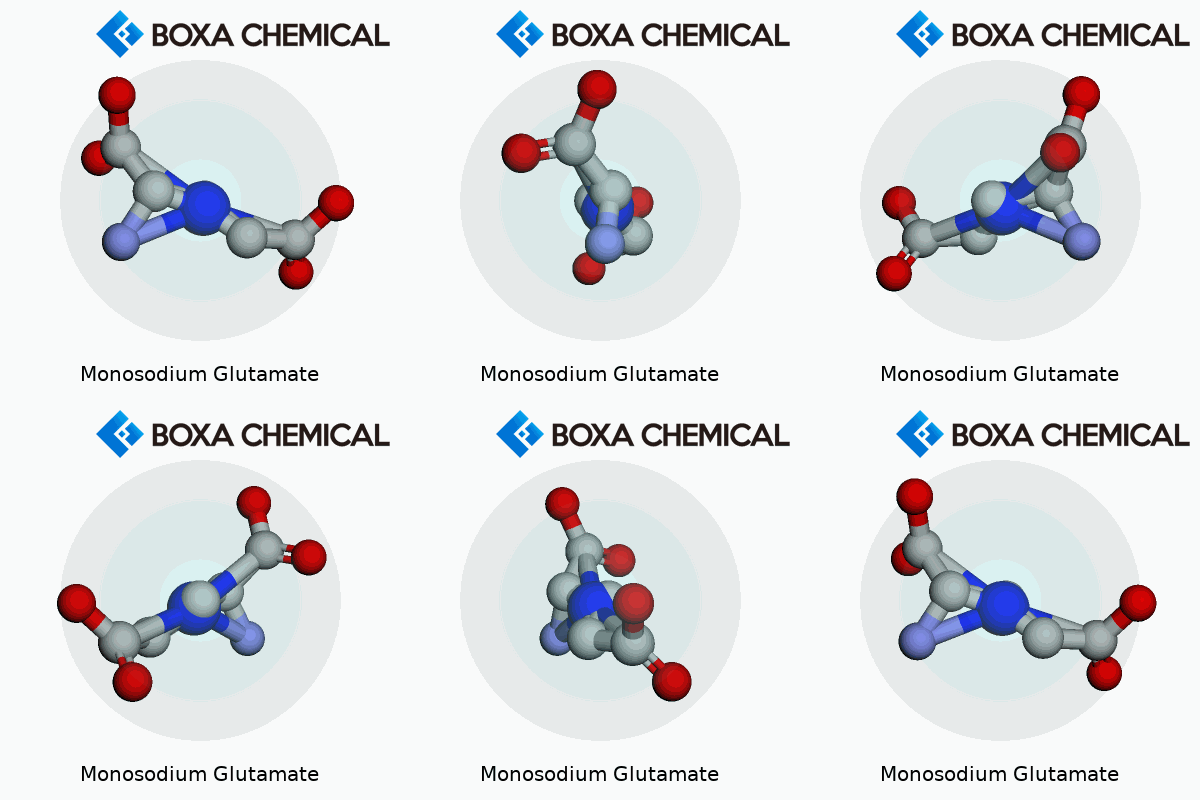
Looking at monosodium glutamate on the countertop, you'll usually find a white, crystalline powder — much like salt or sugar at first glance. The real story sits in its chemistry: a sodium salt of glutamic acid, which belongs to the family of non-essential amino acids. Most MSG on store shelves sits at about 99% purity, with a chemical formula of C5H8NO4Na. You'll find it dissolving easily in water but showing little interest in oil, a fact that shapes how it gets used. MSG plays its role in flavor only when foods contain at least some water, which is a good detail for chefs who like to experiment. In terms of labeling and technical specs, most countries ask for its E number (E621) on ingredient lists. People sometimes spot the alternate names like "flavor enhancer 621" on packaged foods, while the food additive code keeps regulators able to track it across international borders.
Making MSG: Not Just Science, Also Craft
Looking at how factories make MSG, you won't find the old-fashioned method of extracting it from seaweed, like Ikeda did in his Tokyo lab. These days, manufacturers rely mostly on fermentation, often choosing sugar beets, cane sugar, or even molasses as starting points. Through a process that’s not so different from making yogurt or beer, certain bacteria help churn out glutamic acid. Chemists then neutralize it with sodium to lock in the MSG structure, followed by purification steps that strip out anything extra. These tweaks have helped scale production worldwide, making MSG affordable from small diners to massive food processors. Scientists over the years have also played with chemical modifications — like producing different salts of glutamic acid for specific uses — but true MSG (the sodium form) remains the standard for flavor boosting.
The Face of MSG Across Labels and Supermarket Aisles
MSG wears more coats than people expect, switching names as required by regional laws and branding needs. It hides behind names like Ajinomoto, accent flavor enhancer, or the simple declaration of monosodium glutamate. With regulations, most food safety agencies limit or monitor amounts in foods, and some brands push “MSG-free” as a selling point to appeal to health-minded shoppers. This tug-of-war only further fueled controversy, sometimes spinning out into confusion about what’s really present in our favorite packaged meals. Labeling, in this sense, remains a front-line issue for consumers trying to balance taste, transparency, and trust in what’s on their plate.
Debate Over Safety: Between Fact, Fiction, and Food Allergy Caution
Talking MSG safety brings both hard data and strong opinion. Scientific consensus over the last few decades rested on extensive toxicology reviews, including by the Joint FAO/WHO Expert Committee on Food Additives and the U.S. FDA. Studies keep concluding that MSG is safe to eat for most people at normal consumption levels. Only a small fraction experience what’s called “Chinese Restaurant Syndrome” — a cluster of symptoms like headache or flushing — and even those cases rarely show up in tightly controlled studies. The scientific pushback against fear came in waves, often dragging in the broader debate around food additives and processed foods in general. Fact remains: most people can enjoy MSG without issue, but everyone reacts uniquely to what lands on their plates. That’s why countries such as the U.S. require clear labeling, and allergy-prone consumers benefit from paying attention to ingredient lists. Claims about brain damage, cancer, or dramatic health risks lack foundation in the controlled research seen so far. For healthy adults, toxicity only arises at doses far beyond what shows up in even the saltiest snack bag.
MSG in Practice: Flavors, Industries, and Modern Research
MSG helps foods shine in every corner of processed and packaged goods, from bouillon cubes to canned soups, chips, salad dressings, cured meats, and fast food sauces. Chefs chasing umami benefit from blending MSG with other glutamate-rich ingredients like tomatoes or cheese. In scientific circles, researchers keep pushing beyond the flavor angle. Efforts focus on understanding how glutamate signaling connects with brain function or appetite, which sometimes veers into the field of nutrigenomics. Innovations in plant-based food benefit from MSG’s magic — especially in mimicking the meatiness people still crave from burgers or sausages. New fermentation techniques promise reduced energy use or less waste byproducts, while research explores gentler production using different bioreactor bacteria strains.
The Road Ahead: Transparency, Dietary Trends, and Responsible Use
The future for MSG ties tightly to shifts in consumer thinking and advances from food scientists. Demand for clear, accurate labeling keeps getting louder, especially with customers scrutinizing everything from synthetic flavorings to gluten content. Some brands ride that wave by offering natural glutamate sources, such as yeast extracts or tomato concentrates, pushing the idea that “natural” equals better health. Researchers step up, too, diving deep into personalized nutrition — predicting how MSG intake might interact with genetics or metabolism for different populations. Better public education about MSG’s real-world effects could chip away at outdated fears, leaving more room for nuanced public discussion. Exploring alternative production methods or molecular tweaks might further reduce resource use or environmental impact. Seeing MSG as part of broader debates on processed foods, rather than singling it out as a villain or panacea, gives space for smarter, science-forward decisions about what we eat and why.
The Story of MSG
MSG, or monosodium glutamate, has earned a reputation not many food ingredients can claim. Discovered in the early 20th century, this simple salt of glutamic acid shows up in kitchens, factory food, and family meals across the globe. It punches up flavors, specifically that deep, “umami” taste. This isn’t some trend that faded with TV dinners—MSG started as a secret weapon in Japanese broth, moved to American processed cheese and soup, and now pops up everywhere from ramen shops to Doritos.
What Does MSG Actually Do?
MSG amplifies savory notes in food. If you’ve ever found yourself craving the taste of takeout fried rice or a can of chicken soup, you’ve met MSG in its element. The story here isn’t about trickery; glutamate already lives in tomatoes, cheese, mushrooms, and meats. Adding MSG gives less flavorful proteins and vegetables a richer taste without piles of butter or salt. It offers cooks a shortcut—no need to slow-roast bones or age cheese for months.
Should Anyone Worry?
The controversy over MSG roots itself in decades-old claims from a single letter to a medical journal, describing headaches after eating Chinese food. Through the years, actual research repeatedly came up empty-handed when testing for real harm, except in rare, extreme amounts. Both the FDA and World Health Organization have declared MSG safe for the general population.
Some people say they feel discomfort after eating foods with added MSG. Science has found this is rare, and many symptoms attributed to MSG—like headaches or flushing—do not occur consistently in controlled trials. For most folks, MSG is as much of a health risk as too much table salt. Excess intake of any additive can spark problems, but this isn’t unique to MSG.
Why Does MSG Spark Debate?
The debate around MSG goes beyond its chemistry. Much of the negative image sprang from xenophobia—a tendency to single out Chinese restaurants when plenty of American and European foods use the same ingredient. In my own experience, relatives who refuse a bowl of pho with MSG will turn around and sprinkle Parmesan on pasta. That cheese packs its own natural glutamates, delivering the same umami. The uproar shapes perceptions more than the facts do.
This doesn’t mean everyone should embrace MSG with abandon. No ingredient fixes a bad diet or poor cooking habits. But painting MSG as a silent villain distracts from the real crises in public health—excess sugar, ultraprocessed junk foods, lack of access to vegetables—not to mention the food deserts that many communities face.
How to Move Forward
A responsible approach refuses scare tactics. MSG has proved useful in reducing sodium in foods, since it delivers flavor with less salt. Chefs and home cooks can experiment with it to coax more from vegetable stocks or tofu. The solution lies in transparency on labels and honest conversation at the dinner table. Education helps people figure out what works for their family, based on sound information, not myths.
MSG’s story deserves a fresh look—one grounded in real science and a fair shake for the foods we love. After all, cooking should open doors, not close them.
The Flavor Debate at the Dinner Table
Monosodium glutamate, or MSG, gets people talking. Some folks avoid it like it’s poison, while others swear it transforms soup and stir-fry into something you want to eat every night. I’ve grown up with MSG sprinkled on family meals and have spent years reading about what’s really in our food. Because this little flavor booster shows up everywhere from ramen to roasted vegetables, it keeps prompting the same big question: is MSG actually safe?
Looking Past Myths
MSG gained a worldwide audience thanks to flavor. Discovered in Japan in the early 1900s, the compound delivers that umami taste that makes chips tangy and broth comforting. But then, stories started circulating about people feeling sick after eating in Chinese restaurants, and fingers quickly pointed toward MSG. A popular letter in a medical journal from the 1960s spread the myth, and the idea never really left the public’s mind.
Research tells a different story. Over the years, numerous large studies have tried to figure out if MSG causes lasting health problems. Organizations such as the U.S. Food and Drug Administration, the World Health Organization, and the European Food Safety Authority have all checked the evidence. These groups found that for most people, MSG in normal food amounts does not seem to carry health risks. Some people report mild symptoms, but most studies couldn’t pin the blame on MSG alone.
Everyday Experience Matches Evidence
Many home cooks from cultures around the world use MSG just as they use salt. I’ve tasted dishes in homes where cooks reach straight for the MSG shaker with no drama. Large families add it to their food without a second thought, and day after day, nobody falls ill. This mirrors the steady conclusions of food scientists. If anything, MSG sometimes helps people use less salt while still getting a satisfying flavor.
Rarely, someone feels flushed or gets a headache after eating MSG-heavy meals. These reactions happen to a small group, often when eating far more MSG than what shows up in home cooking. Doctors who studied “Chinese Restaurant Syndrome” mostly found that symptoms could not be traced back directly to MSG, unless the amount eaten far exceeded what anyone would use in a typical recipe.
Stepping Away from Fear
Decisions in the kitchen shouldn’t rely on old rumors. Eating habits that mean something to families, like adding a dash of MSG to fried rice, can be enjoyable and safe. Reading the science, MSG causes no harm for most people when eaten in real-world amounts. Of course, those who notice they feel unwell after eating it can simply skip it, in the same way someone can avoid nuts or dairy.
Smarter Choices and Moving Forward
Food fears never help people enjoy meals together. Instead, reading trusted sources and listening to personal experience leads to a better answer. Using MSG as a seasoning, in modest amounts, won’t hurt most people. If uncertainty lingers, talk with your doctor. No one flavor deserves a place on a blacklist forever, especially when the evidence says it’s safe for the vast majority.
Looking at MSG: What Are Folks Really Worried About?
Monosodium glutamate, or MSG, comes up in food conversations more than any other seasoning I can think of. Spicy food swaps, ramen joints, mom’s comfort cooking—all places you’ll spot MSG. Despite how often it appears, lots of people still ask if eating MSG actually brings on allergic reactions or other bad side effects.
Where the Concerns Started
Many folks grew up hearing about "Chinese restaurant syndrome," a term first used in the 1960s. Some diners complained of headaches, flushing, or sweating after a meal heavy with MSG. Sensational headlines gave this story legs, and people carried worries about this ingredient for decades, especially those who linked it to unhealthy eating or unfair fears about Asian food traditions.
Lived Experience and Evidence
I remember my first kitchen job working alongside chefs who used MSG almost as much as salt. None of the cooks hesitated to reach for that shaker. I’ve prepared meals with it and eaten plenty on the job and at home. Never once did I feel any symptoms out of the ordinary, nor did coworkers or family claim any discomfort beyond a tight waistband from overeating.
Many reputable health organizations echo what I’ve witnessed. The U.S. Food and Drug Administration, the World Health Organization, and most allergy specialists do not put MSG on any common allergen lists. They all say MSG is generally recognized as safe. Controlled studies have shown people who claim to react to MSG rarely feel those same symptoms during blind taste tests, especially compared to placebo. When reactions happen, they tend to be mild—sometimes a headache or feeling flushed—and mostly occur when someone eats very large amounts of MSG on an empty stomach.
Food Labeling and Transparency
That doesn’t erase every concern. Some people remain sensitive or say they react even when researchers don’t see a clear connection. Extreme responses are rare, but just the worry can push people to limit or avoid MSG. The answer shouldn’t be scaremongering; it’s honest labeling. All restaurant menus and packaged foods need clear, easy-to-read ingredient lists. People who want to avoid MSG deserve straight answers, not marketing tricks or hard-to-decipher chemical names.
What Actually Causes Reactions at the Table?
For the bulk of diners, issues that pop up at mealtime probably come from other ingredients—perhaps a shellfish allergy, high sodium, or even dehydration after eating salty food. A jam-packed buffet with rich, greasy plates (with or without MSG) can leave anyone groaning from discomfort. The science suggests the seasoning itself isn’t the culprit most people make it out to be.
How to Move Forward
Food fears don’t just fade away, but sharing up-to-date research helps folks make better choices. As cooks, restaurant owners, or just fans of good food, we ought to focus on open communication with guests and eaters. Toss out old stereotypes and welcome a full picture of what this ingredient brings to a dish. If someone still wants to avoid it, respect them with clear information. For everyone else, there’s no reason to be afraid of that umami boost—MSG, like anything else, works best in balance and moderation.
Understanding the Food Behind the Shorthand
I remember my first taste of real umami. It was a bowl of ramen from a small shop, the broth richer than anything I’d eaten at home. That flavor comes partly from something most of us see on ingredient labels: monosodium glutamate, or MSG. People debate it, some avoid it, but MSG shows up in a lot more foods than many realize.
MSG in the Everyday Grocery Run
MSG often pops up in packaged snacks. Potato chips, flavored crackers, and cheese-flavored snacks pull in folks’ taste buds with that extra savoriness. These products don’t just rely on salt—they lean on MSG to take the flavor a step further.
Many instant noodles contain MSG in the seasoning. Even the famous cup or block noodles, known for their affordable price, list MSG in the little flavor packets that come with them. Some people might feel nervous about what’s in these packets, especially after years of hearing both warnings and assurances about MSG’s safety.
Processed meats present another common place for MSG. Think about hot dogs, sausages, and lunch meats. Food manufacturers use MSG here to boost richness, as processed meat doesn’t always bring much flavor on its own. MSG helps fill in the gaps, making bologna or chicken loaf stand out more at a lower cost.
Frozen meals owe their appeal to layers of taste. Many of those frozen pizzas, chicken dishes, and dinner bowls draw on MSG in their sauces and toppings. For busy families grabbing ready-made dinners, MSG probably plays a part in that comfort food pull.
MSG Out at the Restaurant
Many people connect MSG with Chinese restaurants, where it’s used to elevate stir-fries and soups. This sparked controversy decades ago, leading to a lot of fear and myths. While some places now put up MSG-free signs, plenty still use it because diners expect bold, rich flavors.
MSG also shows up in other cuisine types. Many fried chicken outlets and fast-food chains rely on it for bolder sauces and seasoning mixes. That irresistible finish on chicken wings, or the secret zest in taco seasoning at Mexican restaurants, often involves MSG. Restaurants want meals to stay memorable, and this shortcut works.
Bread, Cheeses, and Surprising Foods
Bakeries and cheese shops might seem safe, but foods like packaged bread and processed cheese slices carry hidden doses of MSG, sometimes listed as “flavor enhancer” or related names. This enhances the taste without revealing too much on the front label. I’ve learned to check the ingredient list for “autolyzed yeast extract” and similar phrases, which can signal MSG or naturally occurring glutamates.
What To Watch For in Ingredients
It’s not always labeled simply as MSG. Sometimes products list “hydrolyzed protein,” “yeast extract,” or “flavor enhancer”—terms that fly under the radar if you’re not looking for them. Processed soups, salad dressings, and frozen appetizers use these ingredients, too. Even canned vegetables or tomato sauces sometimes contain added MSG, especially if they market themselves as bold or zesty.
The Bigger Conversation
MSG itself gets cleared by regulatory bodies like the FDA, which says it’s safe for most people. But folks who want to eat closer to the source—instead of from a bag or box—tend to dodge it by focusing on fresh foods. Whenever I spend an afternoon prepping a meal from scratch, I notice the flavors are different, sometimes subtler, but the overall experience feels more transparent. For people with sensitivities, reading labels and asking questions at restaurants opens the door to eating with confidence. This process turns everyday shopping into an opportunity for curiosity, rather than caution.
The Science and the Plate
The flavor we call umami doesn’t care where it comes from. Whether it’s parmesan cheese melting on hot pasta, ripe tomatoes in a summer salad, or a dash of monosodium glutamate (MSG) in ramen, it’s all about the same little molecule: glutamate. Plenty of chefs and nutrition enthusiasts debate this, but if you chase down the basic chemistry, both naturally occurring glutamate and the glutamate in MSG share the same structure. The body sees no difference at the molecular level.
Why This Still Sparks Debate
Decades ago, concerns about MSG made “No MSG” signs pop up on restaurant windows. Some diners claimed intense headaches or general discomfort. Yet in repeated studies, including reviews by groups like the FDA and the European Food Safety Authority, scientists haven’t found consistent proof of harm when MSG is eaten in normal amounts. Only a small number of folks with rare sensitivities might have mild reactions. The rest of us digest it just as easily as the glutamate from a slice of cheddar or from meat cooked low and slow in broth.
Nutrition Labels and Food Culture
People tend to mistrust what they can’t pronounce or didn’t grow up with. Glutamate from mushrooms, seaweed, or tomatoes tends to get a pass. MSG, despite being made by fermenting starch or sugar sources in much the same way certain cheeses are made, still gathers suspicion for its “processed” tag. It’s a little odd, since the end product matches what you’d find in a bowl of miso soup or a piece of roast chicken.
The focus on whether MSG is added or natural misses something bigger. People eat MSG to boost flavor without tons of salt or fat. That’s a valuable trick for anyone following heart-healthy eating or trying to cook more vegetables. Nutrition labels list MSG as an ingredient, so if you’re tuning your meals carefully, you can choose how much you get. What’s less clear to most shoppers are all the foods—like broths, tomato paste, or fermented sauces—where rich umami comes from natural glutamates, but no MSG appears on the label.
Moving Back to Facts and Taste
My own leanings come from working both in restaurant kitchens and in family homes. People with MSG sensitivities deserve respect, but so do cooks chasing deep flavors without overloading on salt. It’s smart to pay attention to ingredient lists. Just as important, understanding where taste comes from means nobody should have to apologize for preferring rich, satisfying foods—whether flavor comes from aged cheese, dried mushrooms, or a sprinkle of MSG.
Education stays crucial. A little digging into how food science works takes away a lot of the “fear factor.” Glutamate, in any form, tells our tongues that food is savory and worth savoring. Instead of dividing foods into “natural” and “artificial” just based on labels, people might do better looking at the whole dish, how it’s cooked, what it brings to the table. That thinking keeps good meals accessible for everyone and gives us a better shot at enjoying both flavor and health.